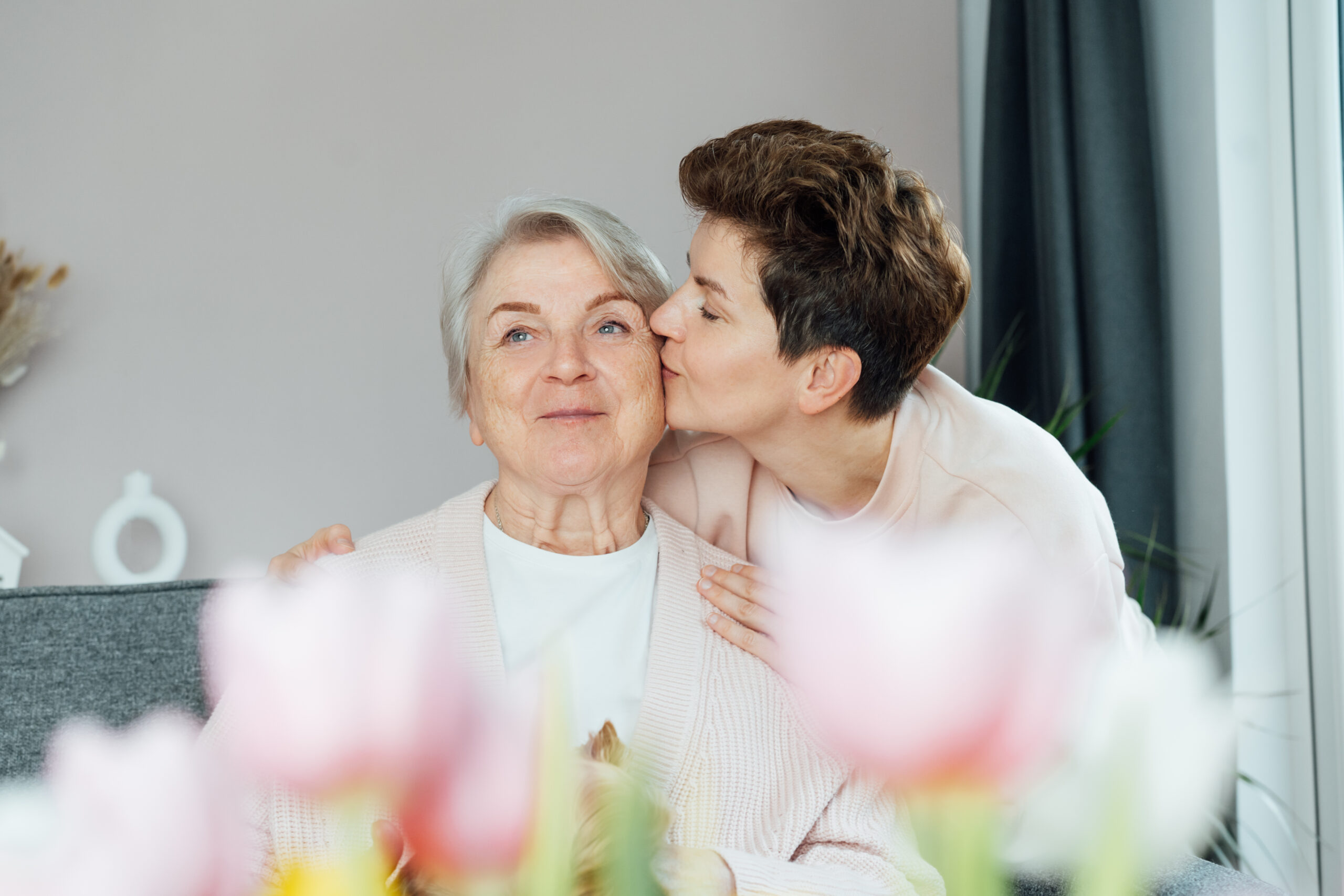
When a loved one begins to forget, not just names or places, but shared moments and lifelong routines, families often face a different kind of loss. Dementia does not take life suddenly; it slowly changes the person we know, leaving families grieving long before the final goodbye.
This journey can be heartbreaking, but understanding what Dementia truly is can bring compassion, patience, and strength to those walking beside someone living with it.
More Than Forgetfulness
Dementia is not a single illness, but a term used to describe a range of conditions that affect memory, thinking, and the ability to perform everyday tasks. It results from diseases that damage the brain, most commonly Alzheimer’s disease, which accounts for roughly 60–70% of all cases (World Health Organization, 2025).
Although it mainly affects older people, Dementia is not a normal part of ageing. Risk increases with factors such as high blood pressure, diabetes, obesity, smoking, and social isolation. In rare cases, symptoms appear before the age of 65, known as young-onset Dementia.
Early signs often begin subtly. A person might forget recent conversations or misplace familiar items more often than usual. They may lose track of time, become disoriented even in well-known places, or struggle to find the right words during everyday conversations. Over time, decision-making and problem-solving become more difficult, and changes in mood, behaviour, or personality may begin to show. These changes can be confusing and distressing, both for the individual and their loved ones, but recognising them early can help families seek the right support and care.
As time passes, these symptoms often become more pronounced. Eventually, many people need support with daily activities such as dressing, eating, or recognising familiar faces. Still, every person’s experience with Dementia is different. For families, this means learning to adapt to the changes with patience and compassion.
Grieving Before Goodbye
Families often describe Dementia as a long goodbye. It brings what experts call anticipatory grief, mourning the gradual fading of a loved one’s personality and shared history while they are still alive.
Spouses may feel the ache of losing companionship, while children take on the role of caregiver. Feelings of guilt, frustration, and helplessness are common and valid. Recognising this emotional reality is an important part of coping.
Reaching out for help can make a difference. Support groups, counselling, and community networks can provide a safe space to share the experience with others who understand. Even brief moments of connection, laughter, touch, or music can restore a sense of closeness, reminding families that love remains even when memory does not.
Caring with Dignity and Patience
Caring for someone with Dementia is an act of deep love, and often, deep exhaustion. The World Health Organization (2025) reports that family members and close friends provide nearly 50% of all Dementia care worldwide, offering an average of five hours of daily support. Women, in particular, shoulder about 70% of care responsibilities.
Preserving both dignity and wellbeing begins with creating an environment of familiarity and calm. Keeping daily routines consistent can bring comfort and a sense of stability, while communicating slowly and gently helps the person feel understood and respected. It also helps to make the home safe and easy to navigate by reducing clutter and using clear visual cues. Most importantly, carers should remember to care for themselves, too, physically and emotionally. Regular rest, self-care, and asking for help are not indulgences; they are important to sustaining the strength and patience that caregiving requires.
Preserving Quality of Life
Although there is currently no cure for Dementia, much can be done to maintain comfort and quality of life. Medication can ease certain symptoms, but lifestyle factors play a significant role.
People living with Dementia are encouraged to stay physically active and maintain a balanced, healthy diet. Social connection and mental stimulation are just as important. Joining community activities, engaging in conversation, or simply spending time with loved ones can make a meaningful difference. Continuing favourite hobbies, or adapting them into simpler forms, can bring joy and a sense of purpose. Writing down daily tasks, keeping notes or reminders, and using visual prompts can also help maintain independence for as long as possible.
Planning ahead is an act of love and care in itself. Early discussions about future wishes, from medical decisions to personal preferences, can ensure that a person’s dignity and autonomy are respected as their condition progresses. This is also the ideal time to prepare a funeral wishes list and begin a life file, helping families avoid uncertainty and ensuring that choices reflect the individual’s values and preferences.
Facing the Final Stages
As Dementia advances, recognition may fade, but love can still be expressed and felt. A familiar voice, a gentle touch, or a favourite song can bring moments of peace and connection even when words are lost.
For families, this stage often marks both relief and sorrow, the culmination of a long, emotional journey. When the time comes to say goodbye, it is natural to grieve not only the passing, but also the years spent watching a loved one slowly slip away.
Remembering Beyond Memory
Dementia may take away memories, but it cannot erase love. Even as names and stories fade, the essence of connection, the shared laughter, gentle care, and simple presence, remains.
If your family is navigating the journey of Dementia, know that you are not alone. Support is available, and moments of grace can still be found along the way.
At Sonja Smith Elite Funeral Group, we understand that families touched by Dementia often carry layered grief. Our team is here to support you with compassion, respect, and understanding, helping you honour your loved one’s memory and celebrate the life that was shared.
We are proud to note that Sonja Smith-Janse van Rensburg, Founding Director of Sonja Smith Elite Funeral Group, has been appointed to the Board of Directors of the Association for Dementia and Alzheimer’s of South Africa (ADASA). For more than a decade, Sonja has dedicated herself to advancing care for individuals living with Dementia and Alzheimer’s, particularly through her work with Multi-Sensory Stimulation Rooms (MSSR). Her international exposure, including her visit to the renowned De Hogeweyk Dementia Village in the Netherlands, continues to shape her vision to support meaningful transformation in Dementia care locally.
If you found this article insightful, you may want to read When You Become Your Parent’s Parent or A Long Walk to Relief.
References:
Alzheimer’s Society (2025) What is Dementia?
Mayo Clinic (2025) Dementia – Symptoms and Causes.
Association for Dementia and Alzheimer’s of South Africa (2025) Resources
World Health Organisation (2025) Dementia Fact Sheet.